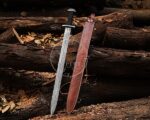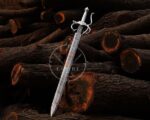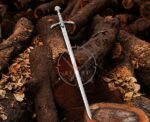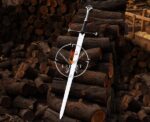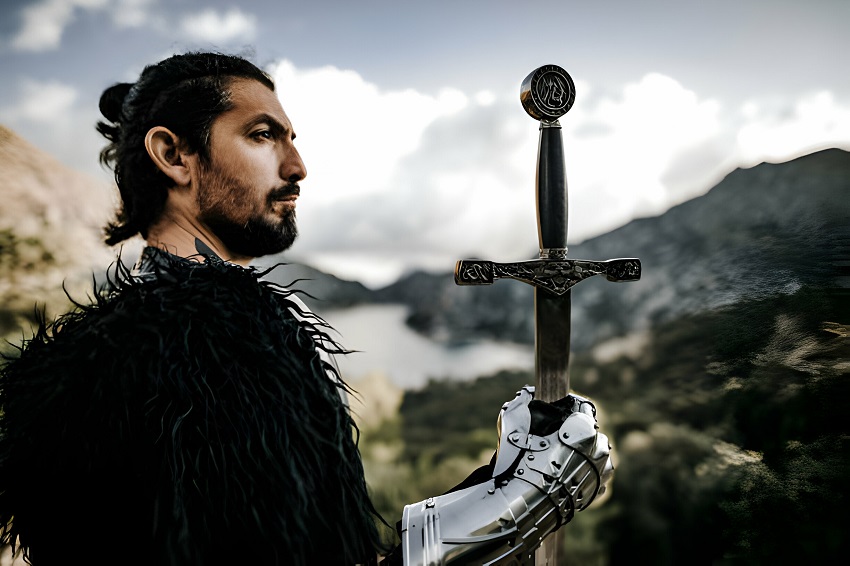
Embark on a journey into the fascinating world of “Bastard Swords,” versatile weapons renowned for their adaptability and historical significance. Also known as hand-and-a-half swords, these blades hold a unique place in the evolution of weaponry, embodying a balance between one-handed and two-handed swords. The term “bastard” reflects their hybrid nature, capable of swift one-handed manoeuvres and powerful two-handed strikes.
In this exploration, we delve into the rich history of Bastard Swords, tracing their origins, examining their diverse forms, and uncovering the techniques that made them formidable on the battlefield. From medieval Europe to the Renaissance, these swords evolved to suit various combat scenarios, leaving an indelible mark on the martial heritage of different cultures. Join us as we unveil the secrets and versatility of Bastard Swords, exploring their craftsmanship, applications, and enduring legacy in the world of bladed weaponry.
Choices The Best Medieval Swords in 2024
In the world of bladed mastery, “Equipping with the Right Weapons: Bastard Swords” unveils the versatile nature and historical significance of these hybrid blades, exploring their craftsmanship and applications.
Unveiling the Origins and Design
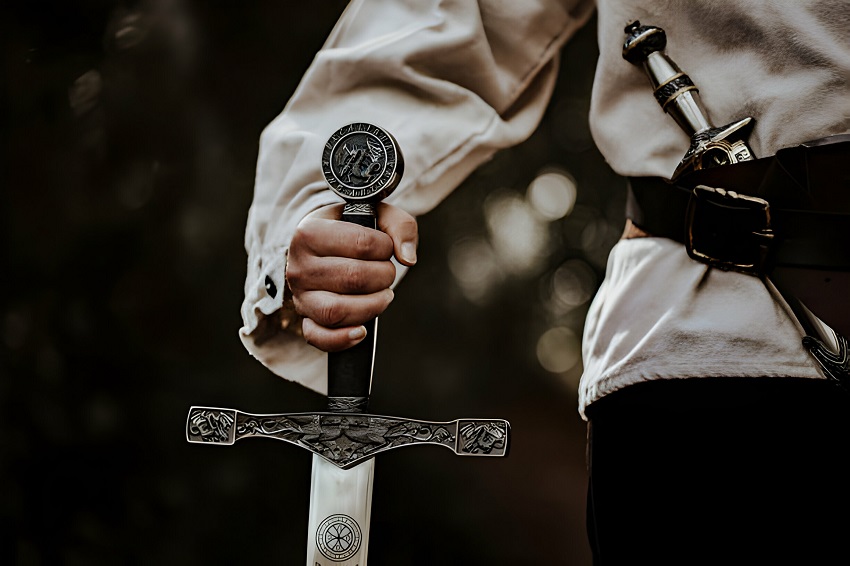
Unveiling the origins and design of Bastard Swords offers a glimpse into the evolution of these versatile weapons. With roots in medieval Europe, these blades seamlessly combine one-handed agility with two-handed power. The term “bastard” reflects their hybrid nature, embodying a design that caters to diverse combat scenarios.
Explore the craftsmanship, detailing, and historical significance embedded in their structure, tracing the journey of Bastard Swords from medieval battlefields to Renaissance refinement. This exploration delves into the intricate details of their creation, unravelling the secrets behind the design choices that make Bastard Swords enduring symbols of bladed excellence.
Versatility in Combat
The versatility of Bastard Swords in combat lies in their design, striking a balance between one-handed manoeuvrability and two-handed power. This adaptability allows warriors to seamlessly transition between swift strikes and forceful blows, catering to various situations on the battlefield. Whether engaging in close-quarters combat or requiring extended reach, Bastard Swords offers a comprehensive solution.
Their design allows for versatile defensive and offensive manoeuvres, making them effective in both offence and defence. This adaptability, coupled with their historical significance, positions Bastard Swords as formidable weapons that have withstood the test of time, demonstrating their enduring value in the evolution of bladed combat.
Historical Context and Use
The historical context and use of Bastard Swords unfold as a captivating narrative across medieval Europe and beyond. Originating in the crucible of European warfare, these versatile blades witnessed action on battlefields and in duels during the Middle Ages and the Renaissance.
Serving as both battlefield weapons and symbols of prestige, Bastard Swords adapted to changing combat scenarios. Knights and men-at-arms prized them for their dual capabilities—swift one-handed strikes and powerful two-handed blows. This historical journey unveils the integral role of Bastard Swords in shaping martial traditions and their enduring legacy in the annals of bladed history.
Symbolism And Popularity
The symbolism and popularity of Bastard Swords are deeply intertwined with their versatile nature and historical significance. As symbols of martial prowess and adaptability, these swords represent the evolution of bladed weaponry. Their popularity stems from their dual functionality—suited for one-handed finesse and two-handed power—making them valuable assets on the battlefield.
Beyond their practical applications, Bastard Swords often symbolize the fusion of agility and strength, appealing to martial enthusiasts and historians alike. Their iconic status in literature, movies, and games further contributes to their enduring popularity, solidifying Bastard Swords as both a functional tool and a cultural symbol in the realm of bladed mastery.
Things to Consider Before Buying a Bastard Sword
When buying a Bastard Sword, consider factors like blade length, material, and hilt design. The balance between one-handed and two-handed use and craftsmanship are crucial considerations for authenticity and functionality.
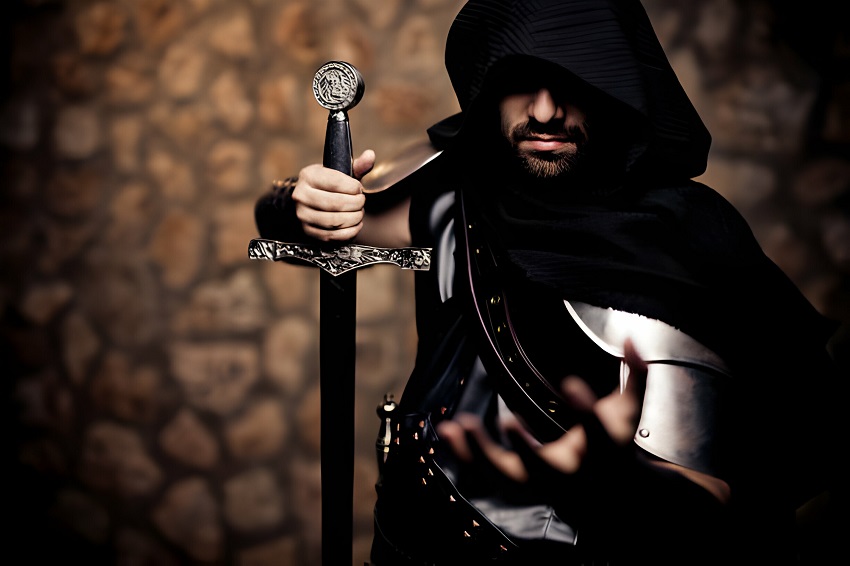
Material and Construction
The material and construction of a Bastard Sword are pivotal aspects influencing its performance and durability. High-quality steel, often carbon or stainless, is preferred for the blade, ensuring a balance between strength and flexibility. The construction method, whether forged or stock removal, impacts the sword’s overall integrity.
The hilt, guard, and pommel materials contribute to the weapon’s balance and aesthetic appeal. Quality leather or wood for the grip enhances both comfort and control. Considering these factors ensures that the material and construction align with your intended use, whether for historical reenactment, martial arts, or display, resulting in a well-crafted and authentic Bastard Sword.
Hilt Design
The hilt design of a Bastard Sword is a critical element influencing its functionality and aesthetics. Typically featuring a cross-shaped guard, the hilt provides hand protection during combat. The grip material, often leather or wood, impacts handling and comfort. Consider the pommel design, as it affects the sword’s balance and overall feel.
Some hilts may feature intricate details or engravings, enhancing the sword’s visual appeal. The choice of hilt design is subjective and depends on personal preferences, historical accuracy, and the intended use of the Bastard Sword, whether for practical martial arts, historical reenactment, or decorative display.
Blade Sharpness
The blade sharpness of a Bastard Sword is a crucial factor influencing its functionality and intended use. Depending on your preferences and purpose, you can choose between a sharp or blunt blade. A sharp edge suits cutting exercises and practical applications, while a blunt edge is safer for reenactments and training.
Consider the desired balance between historical accuracy and functionality. High-quality steel and proper sharpening techniques contribute to maintaining blade sharpness over time. Whether for martial arts, historical display, or stage performances, selecting the appropriate blade sharpness ensures that the Bastard Sword aligns with your needs and safety considerations.
Authenticity and Detailing
Authenticity and detailing play a crucial role in selecting a Bastard Sword, influencing its historical accuracy and aesthetic appeal. Authentic detailing, such as period-appropriate engravings and hilt ornamentation, enhances the sword’s visual authenticity. Pay attention to historical accuracy in terms of blade shape, cross-guard design, and pommel style, reflecting the era you wish to replicate.
Well-crafted detailing contributes to the overall craftsmanship, making the Bastard Sword not only a functional weapon but also a work of art. Whether for historical reenactment or display, prioritizing authenticity and detailing ensures your Bastard Sword aligns with your specific preferences and intentions.
Intended Use
Consider the intended use of a Bastard Sword to make an informed purchase. Whether for historical reenactment, martial arts practice, or decorative display, the sword’s design and features should align with your specific purpose. For practical use, prioritize factors like blade sharpness, balance, and overall construction.
If it’s for display, historical accuracy and craftsmanship become crucial. Additionally, think about the level of maintenance required based on the sword’s use. Clarifying your intended use ensures that the chosen Bastard Sword not only meets your functional needs but also aligns with your preferences and expectations, enhancing your overall satisfaction with the purchase.
Authentic Reproductions
Authentic reproductions of Bastard Swords aim to faithfully recreate historical designs with meticulous attention to detail. Craftsmen often study original artefacts, manuscripts, and historical records to ensure accuracy in blade shape, hilt design, and overall construction. High-quality materials, such as carbon or stainless steel, contribute to both authenticity and durability.
These replicas are crafted to provide enthusiasts, collectors, and practitioners with a tangible connection to historical martial traditions. The pursuit of authentic reproductions reflects a dedication to preserving the craftsmanship and cultural significance of Bastard Swords, allowing individuals to own a piece of history that captures the essence of bladed mastery.
Set a Budget
Setting a budget when purchasing a Bastard Sword is crucial to guide your choices and ensure a satisfactory buying experience. Prices can vary significantly based on factors like materials, craftsmanship, and brand reputation. Determine a realistic budget that aligns with your preferences and intended use.
This helps narrow down options and prevents overspending. Consider allocating funds for additional accessories, such as maintenance supplies or a display stand. By establishing a budget beforehand, you make informed decisions, balancing affordability with the quality and features that matter most to you in a Bastard Sword, enhancing the overall value of your purchase.
Conclusion
In conclusion, the quest for a Bastard Sword involves navigating a rich tapestry of historical authenticity, craftsmanship, and intended use. By exploring factors such as blade sharpness, hilt design, and overall detailing, enthusiasts can find a balance between functional utility and aesthetic allure.
The historical significance and versatile nature of Bastard Swords, rooted in medieval and Renaissance martial traditions, contribute to their enduring popularity. Whether seeking an authentic reproduction for historical reenactment or a finely crafted piece for display, setting a realistic budget ensures a satisfying acquisition. Ultimately, a well-chosen Bastard Sword becomes more than a weapon; it becomes a tangible link to the past, a testament to the artistry of bladed mastery, and a valued addition to one’s collection or martial pursuits.
FAQ’s
Q1: What is the Origin of Bastard Swords?
Ans: Bastard Swords, also known as hand-and-a-half swords or longswords, originated in the Late Middle Ages, particularly during the 14th and 15th centuries. Evolving from earlier medieval sword designs, they gained prominence due to their adaptable hilt, allowing for both one-handed and two-handed use.
Q2: How Would you describe the design of a Bastard Sword?
Ans: The design of a Bastard Sword is characterized by a versatile hilt that accommodates both one-handed and two-handed grips. The blade typically ranges from 33 to 43 inches, positioning it between traditional one-handed swords and dedicated two-handed weapons. This design offers flexibility for various combat situations.
Q3: In What Combat Scenarios Does a Bastard Sword excel?
Ans: Bastard Swords excel in a range of combat scenarios due to their adaptable design. In close-quarters combat or when wearing armour, warriors can use a two-handed grip for increased power and leverage. In more open or agile situations, a one-handed grip provides greater manoeuvrability. This versatility made them favoured among knights and men-at-arms.
Q4: What Materials Are Commonly Used in crafting Bastard Swords?
Ans: High-quality carbon steel is often preferred for crafting Bastard Swords, ensuring durability and authenticity. The construction, including the hilt and pommel, should be robust and well-balanced. Quality craftsmanship and attention to detail contribute to the overall integrity of the sword.
Q5: What Symbolic Significance Do Bastard Swords Hold?
Ans: Bastard Swords symbolize the evolving nature of medieval warfare and the adaptability required by warriors during the Late Middle Ages. Beyond their practical applications, they hold historical and cultural significance. In contemporary times, they continue to captivate enthusiasts, featuring prominently in historical reenactments, fantasy literature, and various forms of popular culture.